The Circle of Concern is a framework used to examine where attention and energy are directed, particularly in relation to factors outside personal control. It is commonly discussed alongside the Circle of Influence and Circle of Control to support more intentional focus in personal, professional, and coaching contexts.
What is The Circle of Concern
The Circle of Concern is a framework that represents all the issues, situations, and events that occupy a person’s attention—whether or not they have the ability to influence them. These concerns can range from personal matters such as health and relationships to broader issues like economic conditions, organizational decisions, or global events.
Introduced by Stephen Covey in The 7 Habits of Highly Effective People, the Circle of Concern is most useful when examined alongside the Circle of Influence. While the Circle of Concern includes everything a person worries about or cares about, the Circle of Influence focuses only on the areas where action, behavior, or decision-making can create change.
The value of this framework lies in its ability to make attention visible. By identifying where energy is being spent, individuals can begin to recognize whether their focus supports effective action or reinforces unproductive worry. This distinction forms the foundation for proactive behavior in personal development, leadership, and coaching contexts.
Origins and Definition
The Circle of Concern encompasses everything that affects a person’s thoughts and worries on a daily basis. This includes concerns about finances, relationships, health, work, politics, climate change, and world events. The framework categorizes these concerns based on their proximity to an individual’s ability to affect change.
People naturally direct mental energy toward various issues, but not all concerns deserve equal attention. Some worries fall within a person’s direct control, while others exist completely outside their sphere of influence. The Circle of Concern includes both categories without discrimination.
The concept serves as a diagnostic tool for evaluating where individuals spend their mental and emotional resources. It provides a visual representation of all the things someone cares about or worries about in their life.
Stephen Covey’s Contribution
Stephen Covey introduced the Circle of Concern framework in his 1989 book The 7 Habits of Highly Effective People. He developed this model as part of Habit 1: Be Proactive, which focuses on taking responsibility for one’s responses to life’s challenges.
Covey paired the Circle of Concern with the Circle of Influence, a smaller circle nested within it. The Circle of Influence contains only those concerns a person can directly affect through their actions and decisions. This distinction became the foundation of the Stephen Covey Circle of Concern framework.
His contribution lay in making the abstract concept of worry tangible and actionable. Covey observed that effective people focus their energy on their Circle of Influence rather than consuming themselves with the broader Circle of Concern.

Core Principles
The Circle of Concern framework operates on the principle that awareness precedes effective action. Individuals must first recognize what falls within their concern before they can assess their actual influence over those matters.
Key principles include:
- All concerns are valid but not equally actionable
- Energy follows attention
- Proactive individuals focus on influence rather than concern
- The relationship between the two circles shifts based on behavior
The framework assumes that people have limited time and energy. When someone focuses primarily on concerns they cannot control, their Circle of Influence actually shrinks. Conversely, directing energy toward influenceable concerns expands a person’s actual impact over time.
This concept helps individuals develop proactive thinking patterns rather than reactive ones. It creates a mental filter for decision-making about where to invest personal resources.
Circle of Concern vs Circle of Influence
The circle of concern encompasses all matters that affect or worry a person, while the circle of influence contains only those items within the circle of concern that a person can directly control or affect. Understanding the distinction between these
| Aspect | Circle of Concern | Circle of Influence |
|---|---|---|
| Definition | All matters a person cares about or worries over, regardless of control or influence. | Subset of concerns where a person can shape outcomes through actions, communication, or behavior. |
| Scope | Broad—includes external events, other people’s actions, and large systems outside personal influence. | Narrower—focuses only on areas where influence or indirect impact is possible. |
| Primary Focus | Awareness of attention and concern patterns. | Action and intentional influence over outcomes. |
| Typical Outcome | Recognition of unproductive worry. | Tangible actions that can shape events or relationships. |
| Associated Mindset | Observation, acceptance, and prioritization. | Proactivity, agency, and intentional effort. |
| Examples | World events, weather, economic conditions, past decisions. | Communication choices, relationship behaviors, strategic decisions. |
Key Differences Between the Circles
The circle of concern includes everything that causes stress, worry, or interest in a person’s life. This encompasses global events, other people’s opinions, economic conditions, weather patterns, and past events. The circle of influence sits within the circle of concern and contains only those elements a person can directly change or impact through their actions.
Scope represents the primary difference between these circles. The circle of concern is broad and expansive, while the circle of influence is narrow and specific. A person might be concerned about climate change, political elections, and their neighbor’s behavior, but they can only influence their own environmental choices, voting decisions, and personal responses.
Energy expenditure differs significantly between the two circles. Time spent on concerns outside one’s influence drains mental and emotional resources without producing results. Focusing on the circle of influence generates tangible outcomes and builds personal effectiveness.
How Influence Shapes Concern
The size and strength of a person’s circle of influence directly affects their overall circle of concern. When someone consistently acts within their circle of influence, that circle expands. This expansion occurs because taking effective action builds skills, confidence, and credibility.
A person who focuses on what they can control develops problem-solving abilities that increase their capacity to affect situations. They build relationships based on reliability and competence, which grants them greater influence in wider contexts. Their circle of concern may remain the same size, but a larger proportion falls within their circle of influence.
Conversely, excessive focus on concerns beyond one’s control shrinks the circle of influence. Reactive behavior, blame, and helplessness erode a person’s ability to affect even those things they could previously influence.
Examples in Everyday Life
At work, an employee might be concerned about company restructuring, market competition, and their colleague’s work quality. Their circle of influence includes their own performance, skill development, and how they communicate with team members. They cannot control leadership decisions but can influence how they respond to changes.
In personal relationships, someone may worry about a family member’s life choices, their friend’s financial struggles, or their partner’s mood. They can influence their own communication style, the support they offer, and boundaries they set. They cannot control another person’s decisions or emotions.
Regarding health, a person might be concerned about genetic predispositions, aging, and disease outbreaks. Their circle of influence includes diet choices, exercise habits, sleep patterns, and stress management techniques. They cannot change their DNA but can influence how their genes express themselves through lifestyle factors.
Circle of Concern vs Circle of Control
The distinction between what someone can influence and what they can only worry about shapes their effectiveness and mental well-being. Understanding this boundary allows individuals to allocate their energy where it produces actual results – circle of control – rather than exhausting themselves with matters beyond their reach.
| Aspect | Circle of Concern | Circle of Control |
|---|---|---|
| Definition | All issues, conditions, or events that a person cares about or worries about. | All actions, responses, and behaviors a person can directly manage. |
| Scope | Extensive—includes things outside personal influence or control. | Focused only on what an individual can actively choose or regulate. |
| Primary Focus | Awareness of where attention is spent. | Identification of direct personal responsibility and choice. |
| Typical Outcome | Understanding the boundary between concern and influence. | Clear next actions that are fully within personal control. |
| Associated Mindset | Observation and acceptance of external limits. | Responsibility, discipline, and intentional action. |
| Examples | Health trends, global politics, other people’s decisions, market forces. | Response to feedback, daily habits, communication choices, punctuality. |
Control and Its Limitations
The circle of control encompasses actions, decisions, and behaviors a person can directly change. This includes their own responses, habits, work quality, and communication style. The circle of concern contains everything that affects or worries someone but lies outside their direct influence, such as global events, other people’s opinions, economic conditions, or weather patterns.
Many people spend significant mental resources on concerns they cannot control. A person might worry about national politics, their neighbor’s choices, or potential future disasters without the ability to alter these outcomes directly. This awareness vs control gap creates stress and diminishes focus on actionable matters.
Key differences:
- Circle of Control: Direct actions, personal choices, immediate responses
- Circle of Concern: External events, others’ behaviors, systemic issues
The limitation of control becomes apparent when someone attempts to change circumstances beyond their sphere of influence. They may experience frustration, anxiety, and a sense of helplessness when their efforts fail to produce results.
Applying Control in Daily Decisions
Practical application starts with identifying which daily situations fall within someone’s control. A person can control when they wake up, what they eat, how they respond to criticism, and whether they complete their tasks. They cannot control traffic delays, a colleague’s mood, or company-wide policy changes.
When faced with a challenge, individuals benefit from asking whether they can take direct action. If the answer is yes, they should focus their energy there. If no, they can either accept the situation or find related aspects they can influence.
For example, someone cannot control their job security during economic uncertainty, but they can control their skill development, professional network expansion, and financial savings habits. This shift from worry to action transforms passive concern into productive behavior.
Impact on Personal Growth
Focusing on the circle of control accelerates personal development by directing effort toward changeable factors. Someone who concentrates on improving their skills, knowledge, and habits experiences measurable progress. This creates positive feedback loops that build confidence and competence.
The reverse pattern stalls growth. When individuals fixate on their circle of concern, they develop a reactive mindset. They may blame external circumstances for their situations rather than identifying opportunities for personal agency. This passive stance prevents them from recognizing areas where they could make meaningful changes.
Research shows that people who distinguish between concern and control report higher satisfaction and lower stress levels. They develop resilience by accepting limitations while maximizing their influence where possible. Their energy investment yields tangible returns rather than dissipating into worry about unchangeable circumstances.

The Circle of Concern Framework in Practice
The Circle of Concern moves from concept to application when individuals make their attention patterns visible. The framework is commonly represented using two concentric circles: an outer circle containing concerns and an inner circle representing areas of influence or control.
This visual structure helps surface where mental and emotional energy is being invested. Concerns that sit outside the inner circle often represent sources of stress that receive attention without offering a clear path to action.
In practice, individuals use the framework by listing current concerns and then evaluating which ones allow for direct action, indirect influence, or no meaningful intervention. This process does not eliminate concerns but clarifies how much energy each one warrants.
When used consistently, the framework supports more intentional decision-making. Attention shifts away from unchangeable conditions and toward actions that can realistically affect outcomes. Over time, this pattern strengthens personal effectiveness and reduces reactive thinking.
Visualizing the Circles
The circle of concern framework relies on a simple visual representation: two concentric circles on a blank page or digital canvas. The outer circle represents concerns, while the inner circle contains items within one’s influence.
This spatial arrangement immediately reveals the relationship between worry and agency. Items placed in the outer ring but outside the inner circle represent energy drains—situations that consume attention without offering pathways to change.
The visual model works because it externalizes mental clutter. A person can physically see where their focus lands and identify patterns in their thinking. Color coding adds another layer: red for concerns causing stress, green for areas of active influence, and yellow for uncertain territory.
Steps to Map Out Your Circles
The mapping process begins by identifying the concerns currently occupying attention. Each concern is then evaluated based on whether it allows for direct control, indirect influence, or no meaningful intervention. This creates clarity about where action is possible and where acceptance is required, helping attention shift toward choices that can realistically affect outcomes.
How to Use the Circle of Concern (Step-by-Step)
Step 1: List what is currently occupying your attention
Begin by identifying the issues, situations, or conditions that are taking up mental or emotional energy.
This includes both immediate challenges and ongoing worries, without judging whether they are solvable.
The purpose of this step is awareness, not resolution.
Step 2: Sort each item by level of control or influence
Review each concern and determine where it belongs:
- Circle of Concern: matters that affect you but cannot be changed directly
- Circle of Influence: areas where your actions, communication, or behavior may shape outcomes over time
- Circle of Control: decisions, responses, and actions you can manage directly
This separation helps clarify which concerns invite action and which require acceptance.

Step 3: Identify one influence point worth focusing on
From the Circle of Influence, select one area where effort would be meaningful. Focusing on a single influence point prevents energy from being spread too thin and supports intentional action.
Step 4: Define one concrete action within your control
Translate the influence point into a specific next step you can take. This action should be realistic, observable, and within your direct control.
Small, consistent actions are more effective than broad attempts to manage everything at once.
Step 5: Notice what pulls attention back to concern
Pay attention to thoughts, situations, or triggers that shift focus back to unchangeable concerns. Acknowledging these patterns helps maintain awareness without becoming reactive.
Step 6: Re-orient attention intentionally
When concern resurfaces, return attention to the chosen influence or control action. Over time, this practice strengthens focus, reduces unnecessary worry, and supports more effective decision-making.
Reflection
- What is currently in my Circle of Concern?
- What part of this allows for influence or control?
- What is one action I can take now?
- What tends to pull my attention back into worry?
This distinction between concern and action is supported by research on perceived control and agency. According to research on locus of control by Julian Rotter, particularly his 1966 paper “Generalized Expectancies for Internal Versus External Control of Reinforcement,” individuals who focus attention on areas where personal action is possible demonstrate greater perceived agency and effectiveness, particularly when distinguishing between controllable and uncontrollable factors.
How Coaches Use the Circle of Concern in Coaching Practice
In coaching contexts, the Circle of Concern is a coaching tool used primarily as an awareness-building framework rather than a problem-solving tool. Coaches introduce it when clients feel overwhelmed, stuck, or emotionally reactive to circumstances that sit outside their direct control or influence.
The framework helps clients observe where attention and emotional energy are being directed—particularly toward external conditions that cannot be changed. Instead of attempting to resolve every concern, coaching conversations focus on clarifying where responsibility, choice, or influence still exists within the client’s current situation.
Coaches support this process by exploring assumptions about control, highlighting patterns of reactivity, and inviting reflection on how behavior, communication, or decision-making may be contributing to present outcomes. In practice, this often involves targeted reflective
questions. For example, a coach might ask, “What would need to be true for this to move into your influence circle?” Questions like this help shift perspective from helplessness toward possibility, responsibility, and intentional action.
Rather than encouraging clients to manage or control external factors, coaches guide attention toward areas where small, consistent actions can realistically shape outcomes. This may include examining boundaries, communication choices, follow-through, or engagement patterns that influence relationships or environments over time.
The Circle of Concern is rarely treated as a one-time exercise in coaching. Regular reassessment helps clients recognize how concerns evolve as circumstances change or capabilities expand. Revisiting the framework periodically—such as during milestone or progress reviews—keeps it actionable and prevents it from becoming a static snapshot rather than a living awareness tool.
Through this ongoing process, clients build confidence and agency by repeatedly engaging with what is within reach. The emphasis remains on awareness, accountability, and intentional focus, reinforcing proactive behavior rather than sustained attention on conditions beyond personal control.
Research examining perceived control, including work by Ellen Skinner, particularly her 1996 article “A Guide to Constructs of Control,” highlights how individuals regulate attention and effort based on beliefs about influence. In coaching contexts, this reinforces the value of helping clients separate concern from actionable domains, supporting intentional focus rather than reactive attention.
Examples of The Circle of Concern in Use
The Circle of Concern framework helps individuals identify what matters in their daily lives and work environments. People apply this concept to reduce anxiety and improve their decision-making by distinguishing between issues they can affect and those they cannot.
Personal Life Scenarios
Individuals use the Circle of Concern to manage relationship stress by focusing on their own behavior rather than attempting to change their partner’s fundamental personality. Someone worried about a family member’s choices can redirect their energy toward offering support instead of trying to control outcomes.
Financial anxiety often shrinks when people separate controllable factors like spending habits from uncontrollable ones like market fluctuations. A person concerned about aging parents can focus on arranging care options and maintaining regular communication rather than worrying about mortality itself.
Common Personal Applications:
- Managing health concerns by focusing on diet and exercise rather than genetic predispositions
- Reducing social media anxiety by controlling usage time instead of others’ opinions
- Addressing neighborhood issues through community involvement rather than complaining
- Handling weather-related stress by preparing appropriately instead of wishing for different conditions
Parents frequently apply this framework when their adult children make independent choices. They learn to maintain healthy boundaries while offering guidance only when requested.
Professional and Organizational Contexts
Managers reduce team stress by helping employees identify which workplace problems they can influence. A team member worried about company-wide policy changes can focus on adapting their work processes instead of resisting organizational decisions.
Project leaders use this framework to allocate resources efficiently by distinguishing between project risks they can mitigate and external market forces. Sales professionals maintain motivation by concentrating on their pitch quality and follow-up consistency rather than economic downturns.
Workplace Applications:
| Scenario | Outside Control | Within Control |
|---|---|---|
| Difficult colleague | Their attitude | Personal responses and boundaries |
| Budget cuts | Company finances | Efficient resource use |
| Industry changes | Market trends | Skill development and adaptation |
Organizations implement this concept in strategic planning sessions to avoid wasting time on factors beyond their influence. Teams become more productive when they channel energy toward actionable solutions rather than circumstances they cannot change.
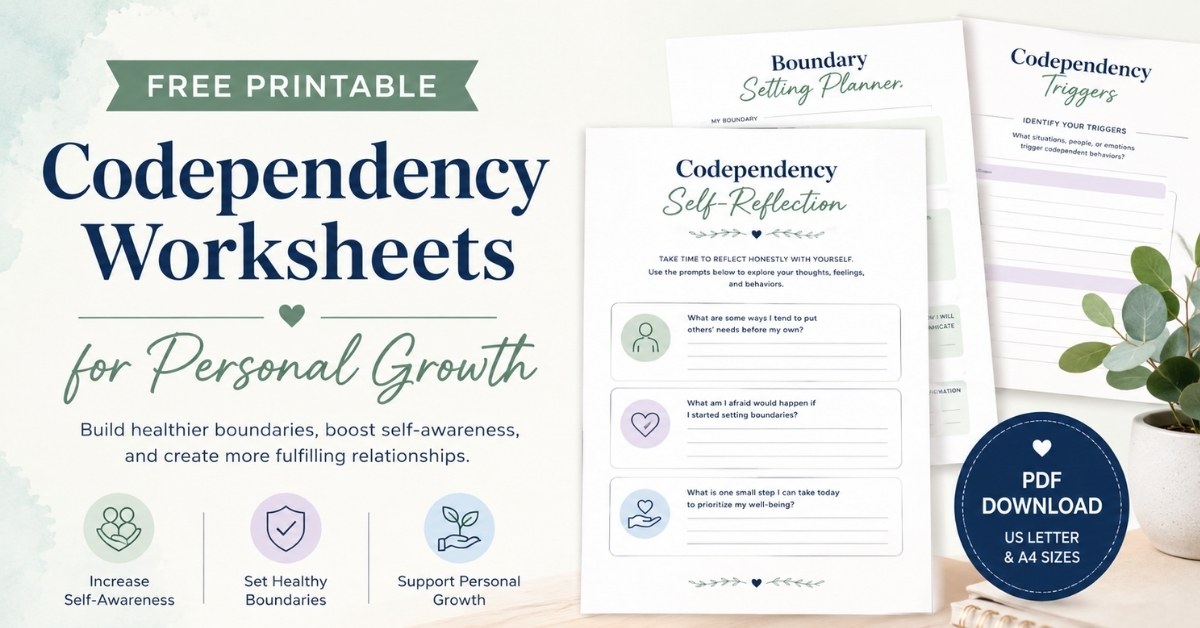
Download the Circle of Concern Worksheet

Frequently Asked Questions
What is the Circle of Concern?
The Circle of Concern is a framework that represents all the issues, situations, and conditions that occupy a person’s attention, including those they cannot control or influence. It is used to examine where mental and emotional energy is being directed and whether that focus supports effective action.
How is the Circle of Concern different from the Circle of Influence?
The Circle of Concern includes everything a person worries about or cares about, while the Circle of Influence includes only those areas where action, behavior, or communication can shape outcomes. The Circle of Influence exists within the Circle of Concern and represents where effort can produce results.
How is the Circle of Concern used in coaching?
In professional coaching, the Circle of Concern is used as an awareness-building framework. Coaches use it to help clients recognize patterns of attention, emotional reactivity, and misplaced effort, creating clarity around where responsibility and intentional action are still possible.
Is the Circle of Concern a problem-solving tool?
No. The Circle of Concern is not designed to solve problems directly. Its purpose is to surface where attention is being spent so individuals can distinguish between what requires acceptance and what invites action, influence, or responsibility.
How does the Circle of Concern support personal development?
In personal development contexts, the Circle of Concern helps individuals reduce unproductive worry by clarifying which concerns fall outside their control or influence. This distinction supports more intentional focus, emotional regulation, and proactive decision-making.
Does focusing on the Circle of Concern mean ignoring important issues?
No. The framework does not suggest ignoring concerns. Instead, it helps prioritize how much energy different concerns warrant, allowing individuals to remain informed and aware without becoming consumed by factors they cannot change.
How does the Circle of Concern relate to the Circle of Control?
The Circle of Control refers to actions, behaviors, and responses an individual can directly manage. While the Circle of Concern is broader, identifying the Circle of Control within it helps shift attention from worry toward responsibility and intentional action.
Can the Circle of Concern change over time?
Yes. A person’s Circle of Concern evolves as circumstances, roles, and responsibilities change. As skills, influence, or capacity expand,
some concerns may move closer to influence or control, while others may require greater acceptance.
Is the Circle of Concern used outside of coaching?
Yes. The framework is commonly applied in leadership development, organizational settings, education, and personal effectiveness work to support clearer focus, better decision-making, and reduced reactivity.
Does the Circle of Concern include emotions and internal experiences?
Yes. The Circle of Concern includes both external conditions and internal experiences such as worry, frustration, or fear. Recognizing emotional responses as part of the framework helps individuals understand how internal focus influences behavior and effectiveness.
Take Home
The Circle of Concern framework provides a practical method for identifying where energy and attention are being directed. By distinguishing between matters that can be influenced and those that cannot, individuals gain clarity about their daily choices.
This distinction allows people to recognize unproductive worry patterns and redirect their focus toward actionable items. The Circle of Influence represents the subset of concerns where direct action produces results.
Practicing this approach requires consistent awareness of thought patterns and behavioral responses. When attention shifts toward the Circle of Influence, individuals typically experience:
- Reduced stress and anxiety
- Increased sense of control
- More effective problem-solving
- Better resource allocation
- Improved emotional regulation
The framework applies across multiple life domains, from personal relationships to professional challenges. Organizations can use these principles to help teams focus on controllable variables rather than external factors beyond their reach.
Regular assessment of where focus lies helps maintain the practice over time. People who actively work within their Circle of Influence tend to see that circle expand as they develop new skills and capabilities.
The key lies not in ignoring concerns outside one’s control, but in choosing where to invest time and mental resources. This intentional approach to attention management creates a foundation for more purposeful action and sustainable progress.